
Building Strong Foundations: A Guide to Urology
Building Strong Foundations: A Guide to Urology
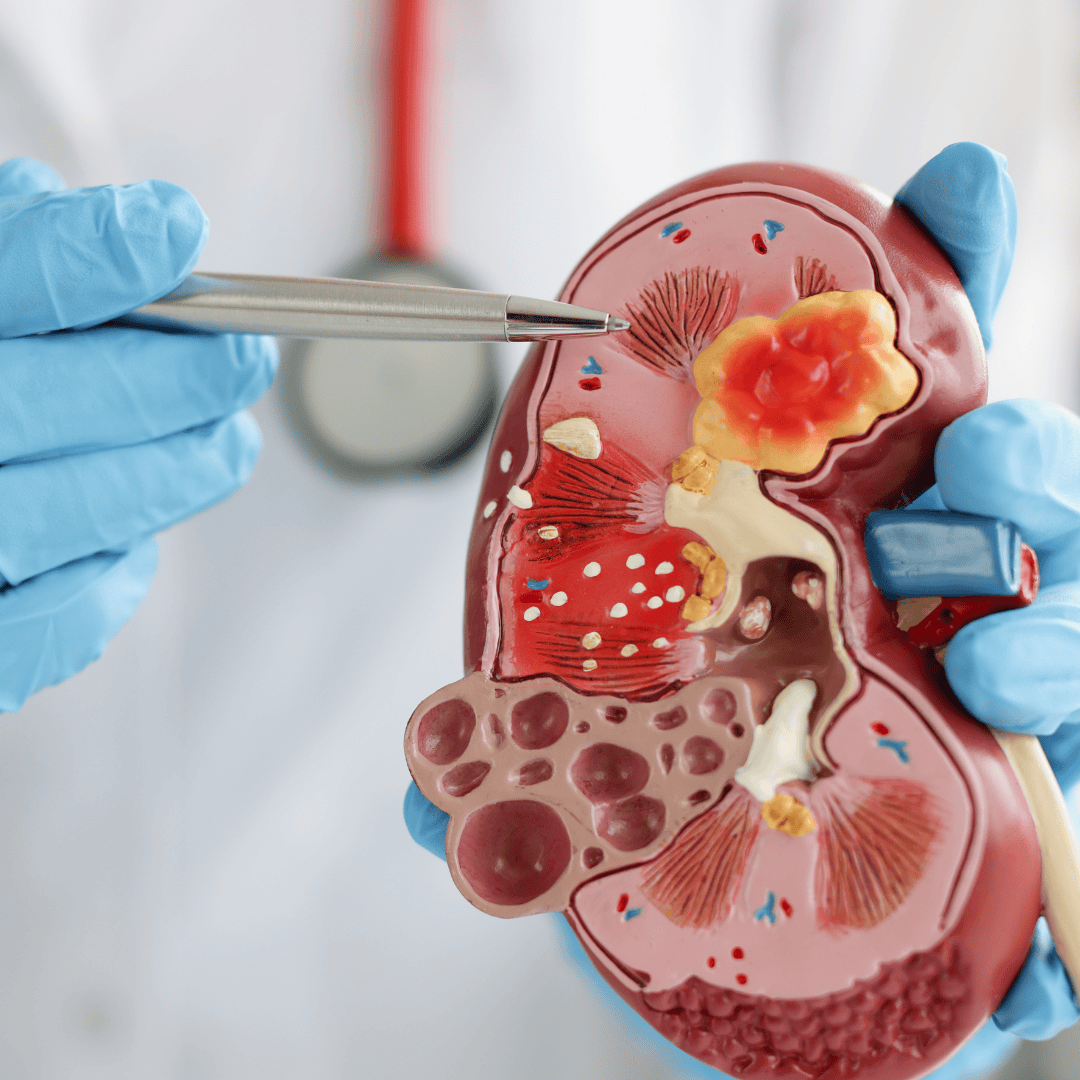
Urology is a specialized branch of medicine focused on the diagnosis, treatment, and prevention of conditions affecting the urinary tract and the male reproductive system. This includes the kidneys, ureters, bladder, urethra, prostate, and male reproductive organs. Urologists play a vital role in maintaining urinary health, managing chronic conditions, and improving overall quality of life for patients of all ages.
The Role of the Urinary System
The Role of the Urinary System
The urinary system performs several essential functions, including:
Filtering waste products and excess fluids from the blood to produce urine.
Maintaining the body’s balance of water, electrolytes, and minerals.
Regulating blood pressure through fluid and hormone control.
Removing toxins and metabolic waste from the body.
Supporting reproductive health in males.
Any disorder in this system can lead to discomfort, infections, pain, or serious health complications if left untreated.
Common Urological Conditions
Common Urological Conditions
Some of the most common urological conditions include:
Urinary Tract Infections (UTIs): Infections affecting the bladder, kidneys, or urethra, causing pain, burning, and frequent urination.
Kidney Stones: Hard mineral deposits in the kidneys that can cause severe pain and urinary blockage.
Benign Prostatic Hyperplasia (BPH): Enlargement of the prostate gland leading to difficulty in urination.
Prostate Disorders: Including prostatitis and prostate cancer.
Urinary Incontinence: Loss of bladder control affecting daily activities and confidence.
Erectile Dysfunction: Difficulty achieving or maintaining an erection due to physical or psychological causes.
Male Infertility: Issues related to sperm production or delivery.

Dr. Bhabatosh Das

DR. ARIF AKHTA

Dr. Nipun Bansal
Diagnostic Techniques in Urology
Diagnostic Techniques in Urology
To accurately diagnose urological conditions, specialists use advanced diagnostic tools such as:
Urine Tests: To detect infections, blood, or abnormalities.
Ultrasound: Imaging to assess kidneys, bladder, and prostate.
CT Scan & MRI: Detailed imaging for stones, tumors, or structural issues.
Uroflowmetry: Measures the flow and strength of urine stream.
Cystoscopy: A minimally invasive procedure to examine the bladder and urethra.
Blood Tests: To evaluate kidney function and prostate health (PSA test).
Treatment Approaches
Treatment Approaches
Urological care includes a wide range of treatment approaches, customized to each patient’s condition:
Medications: Antibiotics, alpha-blockers, hormone therapy, and pain management drugs.
Lifestyle & Dietary Changes: Fluid management, diet modification, and bladder training.
Non-Surgical Procedures: Catheterization, stone fragmentation (lithotripsy), and minimally invasive therapies.
Surgical Interventions: Procedures for kidney stones, prostate enlargement, tumors, or reconstructive surgery.
Counseling & Support: For conditions affecting sexual and reproductive health.
Tips for Urological Health
Tips for Urological Health
To maintain a healthy urinary system:
Drink adequate water throughout the day.
Maintain proper personal hygiene.
Avoid holding urine for long periods.
Follow a balanced diet low in excess salt and processed foods.
Limit alcohol and caffeine intake.
Seek early medical advice for urinary symptoms.
When to Consult a Urologist
When to Consult a Urologist
Consult a urology specialist if you experience:
Pain or burning during urination.
Blood in urine or semen.
Frequent or urgent need to urinate.
Difficulty starting or stopping urine flow.
Lower abdominal, pelvic, or flank pain.
Sexual or reproductive health concerns.
Conclusion
Conclusion
Urology plays a crucial role in maintaining urinary and reproductive health. Early diagnosis and expert care can prevent complications and significantly improve quality of life. Our clinic offers advanced diagnostic facilities and experienced urology specialists dedicated to providing personalized and compassionate care for every patient.